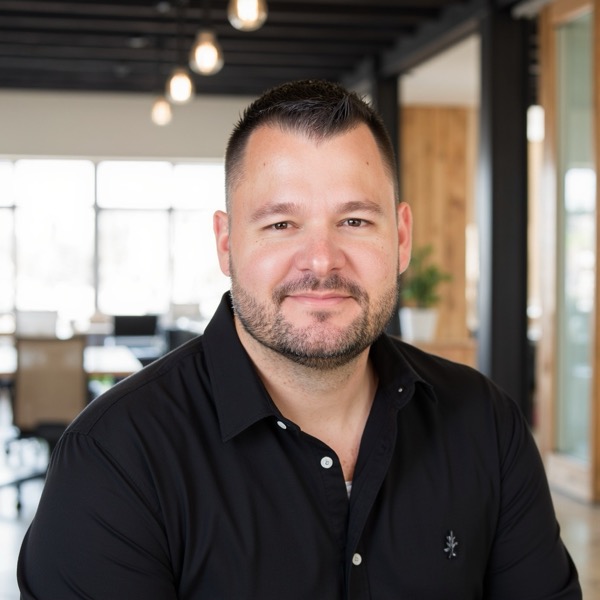
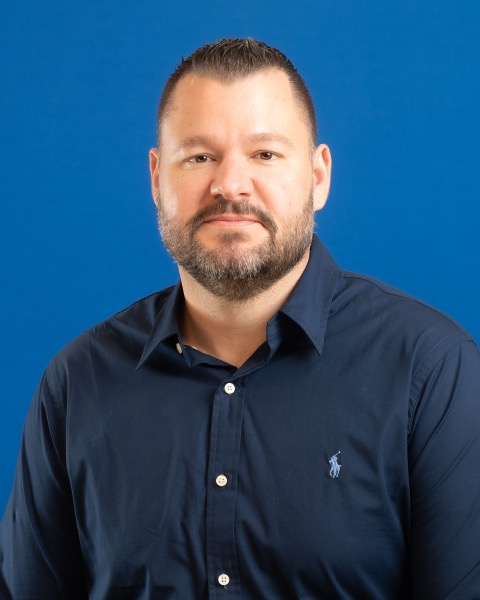
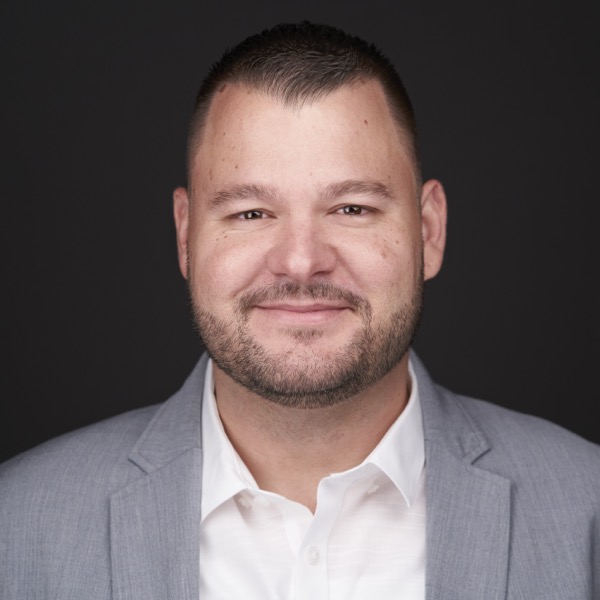
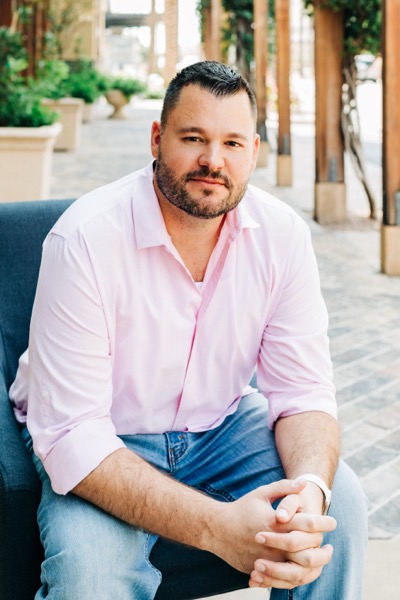
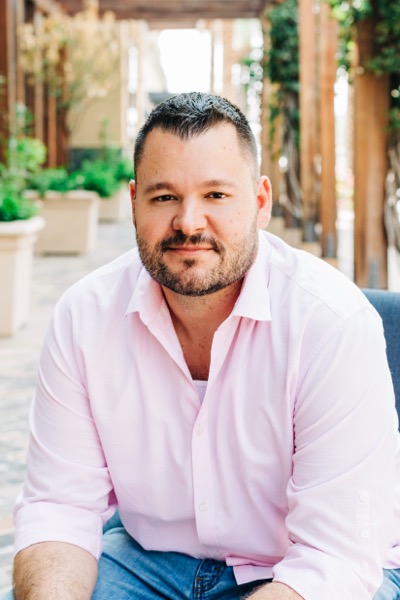
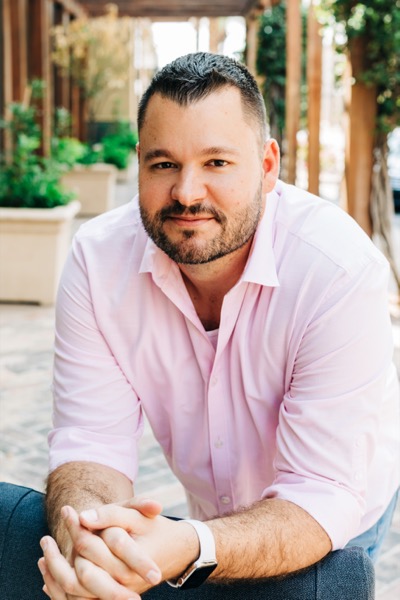
Jason Riedel
Self-taught, startup CTO, cloud infrastructure, networking, software development, husband and father of 3 boys.





In 1992, when I was 9 years old, my dad brought home our first computer and I was hooked. I started writing code at 12 and never looked back, earning my A+ certification at 16 and my CCNA at 17, I have spent my career building ISPs and cloud ever since.
Before "cloud" was a concept, I built infrastructure for ISPs supporting dialup, DSL and cable modems. From there my career tracked the full evolution: private clouds and the data center architecture still running PayPal's production systems today, hybrid cloud with AWS and OpenStack at Symantec, and ultimately leading PayPal's first public cloud engineering team on Google Cloud Platform. Python is my main language, though I work across the stack in Go, JavaScript, and Java as well. Linux has always been home.
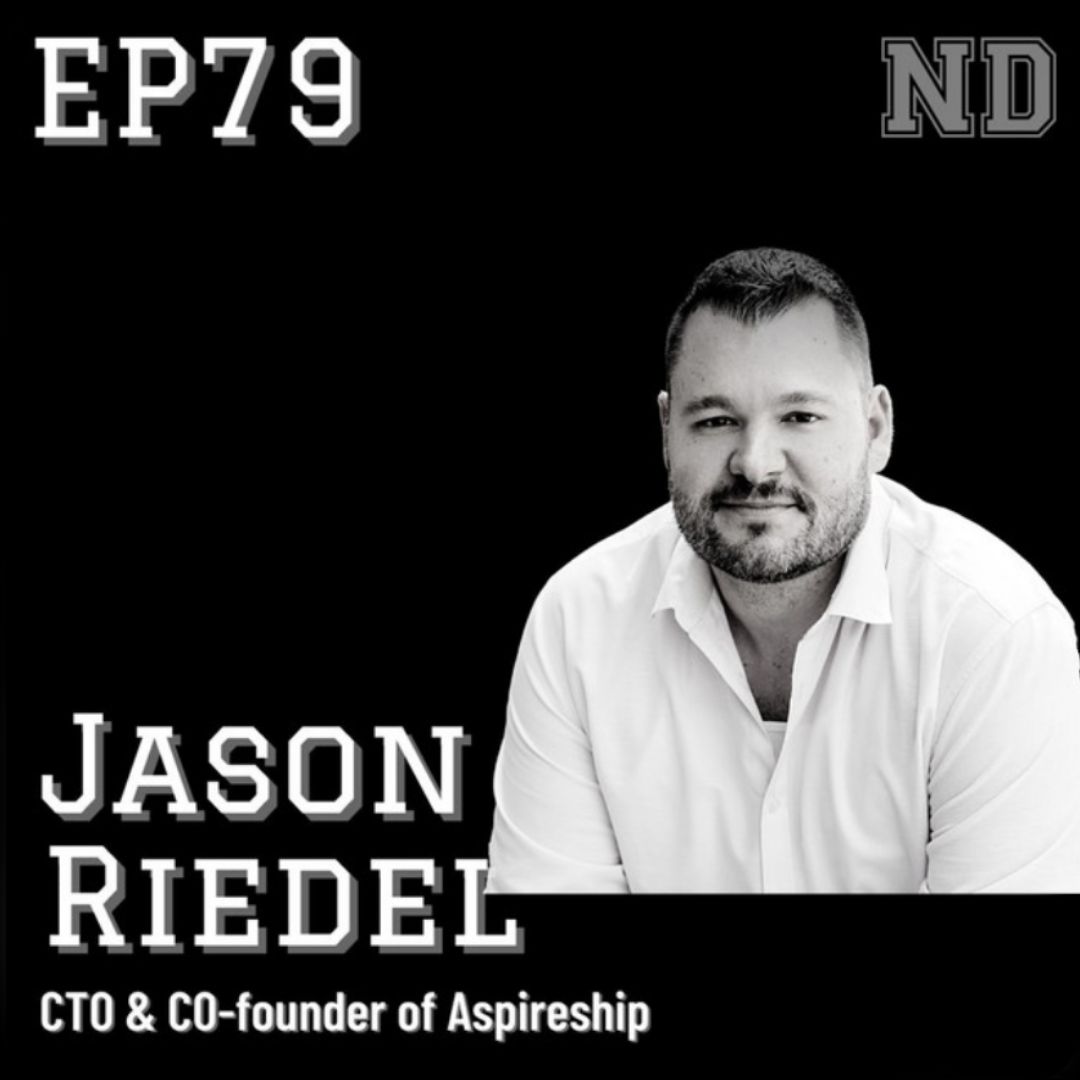
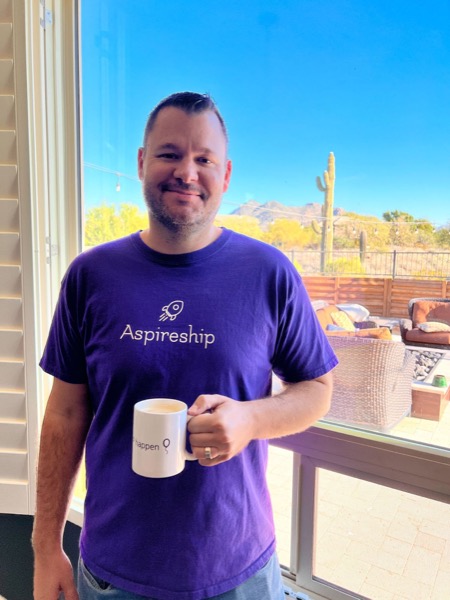
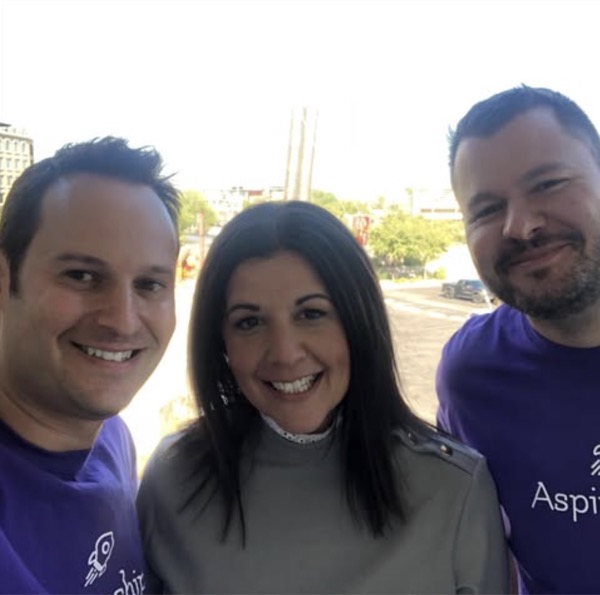
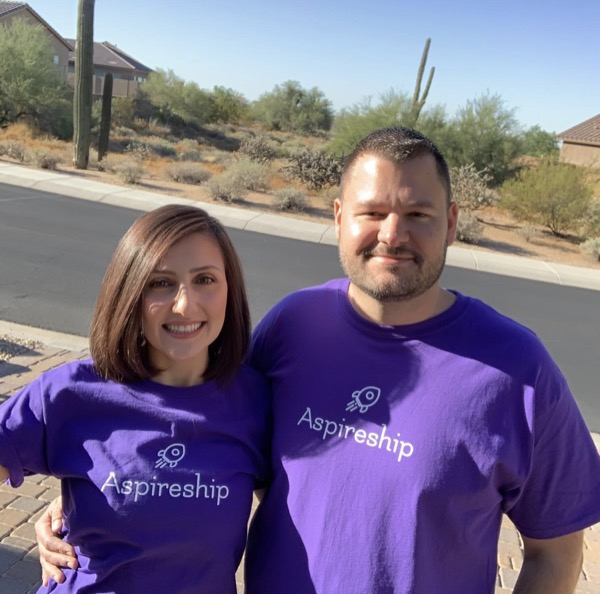
In 2019 I co-founded Aspireship, a platform helping people break into tech sales careers. We scaled to 18 employees and $2M ARR. In 2023, due to rapidly rising interest rates and a budget crisis, I chose to step back from the CTO role and still advise the company today. Outside of work I prioritize time with my 3 sons, staying abreast of the latest technology, fitness, and music.

Joined Google Cloud's Financial Services organization as a Customer Engineer, supporting infrastructure for customers across the payments industry. A deliberate shift from backend engineering leadership toward working directly with customers on a new set of problems.

Led a small team of director-level architects covering SRE, Developer Platforms, cloud, and AI/ML. Designed PayPal's future cell-based architecture, a migration away from the foundational design I originally built over a decade ago that still powers PayPal's production infrastructure today. Also served as lead infrastructure architect for PayPal's Cloud Modernization initiative on Google Cloud Platform.
Led a global cybersecurity operations team across the US, Singapore, and China. Owned the strategy and vision for PayPal's Cybersecurity Defense Center across all business units worldwide.

Co-founded Aspireship to help people without traditional backgrounds break into tech careers. Built the platform from scratch with Python, Flask, PostgreSQL, GraphQL, React, Docker, AWS, and GCP. Scaled to 18 employees and $2M ARR as CTO before transitioning to an advisory role I still hold today.
Stood up and led PayPal's first Public Cloud Engineering team. Served as lead architect for PayPal's inaugural Google Cloud implementation, designing the GCP architecture, security framework, IAM structures, and automated provisioning infrastructure built on Terraform.

Led cloud architecture and engineering for Symantec's enterprise security products. Designed and built a hybrid cloud with AWS and OpenStack. Served as lead architect and developer in Go and Python for the Cloud Intelligence Service, a CMDB enabling automation, provisioning, and environmental consistency across the platform.
Designed the next-generation data center campus and availability zone architecture for PayPal and eBay's multi-tenant private cloud, infrastructure that has been running in production since 2012. Served as operations architect for PayPal's in-memory NoSQL datastore, the full replatforming of PayPal's payment software, and checkout and point-of-sale systems deployed at Home Depot, Radio Shack, and Babies R Us.

Administered Linux and Solaris production systems using Kickstart and Jumpstart. Owned all monitoring with Nagios and Foglight and built an internal asset tracking system in Perl and MySQL.

Hybrid network and systems engineering role. Traveled to install cable modem head ends for new markets and maintained internet circuits at T1, DS3, OC3, and OC12 speeds. Troubleshot core network routing issues across EIGRP, BGP, and RIP. Managed DNS, mail servers, and web infrastructure, and wrote Perl scripts for IP reporting and network device management.

Most senior technical role in the company, responsible for all Unix and Linux systems and networks for dial-up and DSL service, while attending school full-time. Maintained Cisco 7204 VXR routing configuration for IP and BGP. Managed Linux, Solaris, and BSDi systems running Apache and Sendmail, and developed PHP services to provision new DSL subscribers to routers.

















Full work history covering 25+ years in infrastructure, cloud architecture, and security leadership.